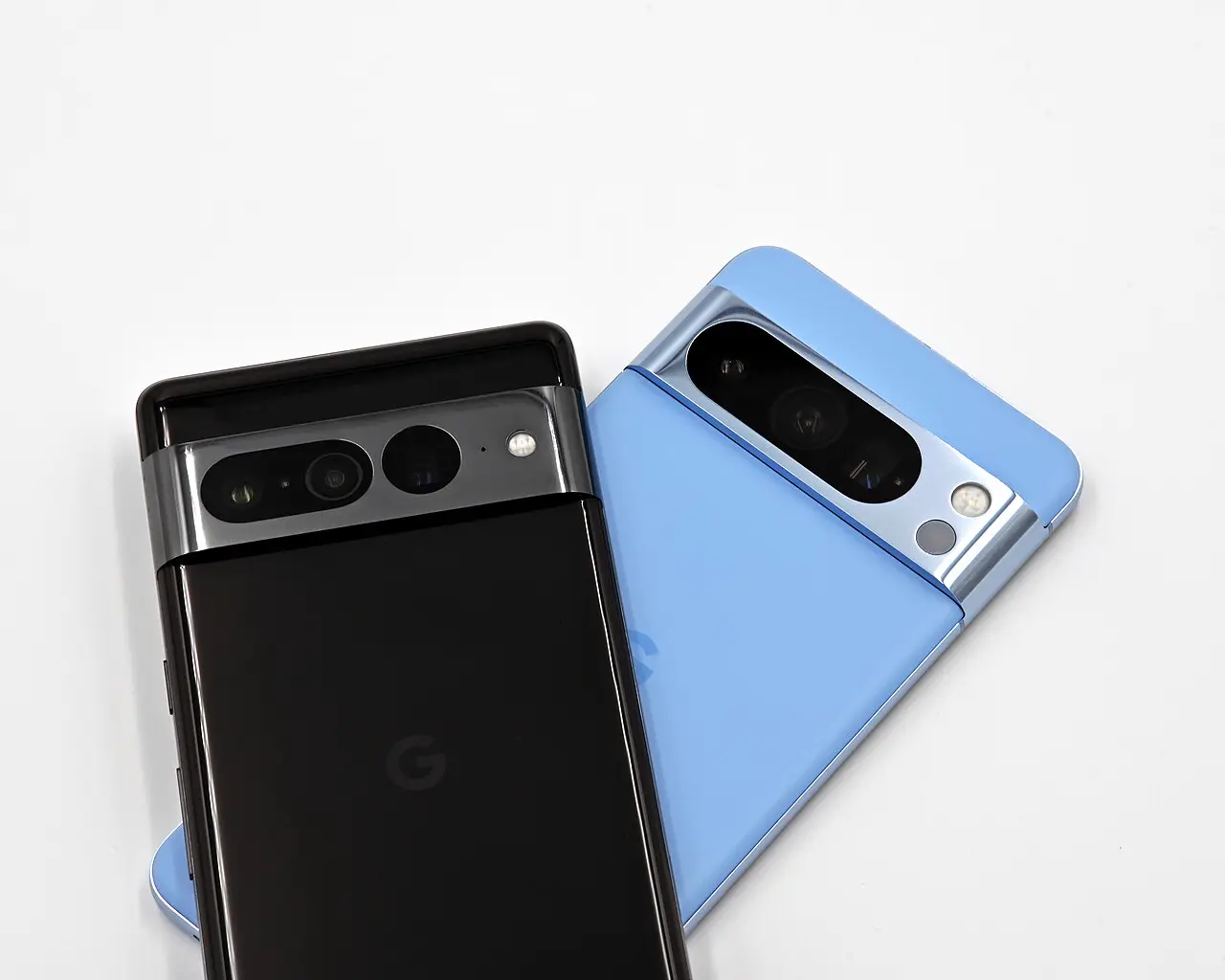
No sleep tracker. No smartwatch uploading heart rate and breathing rhythm to a US cloud server. No server that knows more about this night than I do by morning.
The Pixel 9 is on the bedside table. GrapheneOS automatically reboots the device after prolonged inactivity — a built-in security feature. When locked, all user data is encrypted. There is no way in.
The alarm goes off. Clock — the default GrapheneOS app, open source, no account, no cloud. No Google service has noticed the day has begun.
Messages come through Molly. A fork of Signal: fully compatible with all Signal contacts, but with an encrypted database, automatic memory wipe on lock, and no dependency on Google for push notifications. To my contacts, I'm simply a Signal user.
Before: Instagram, then Twitter. Now: Vanadium and an RSS reader. No algorithm deciding what I see. No scroll tracking. No profile built from my morning mood.
Vanadium is GrapheneOS's built-in browser — hardened, with JIT compiler disabled, a built-in tracker blocker, and no Google account required. Those who need extensions use IronFox from F-Droid. Full browser comparison: Browser Alternatives →
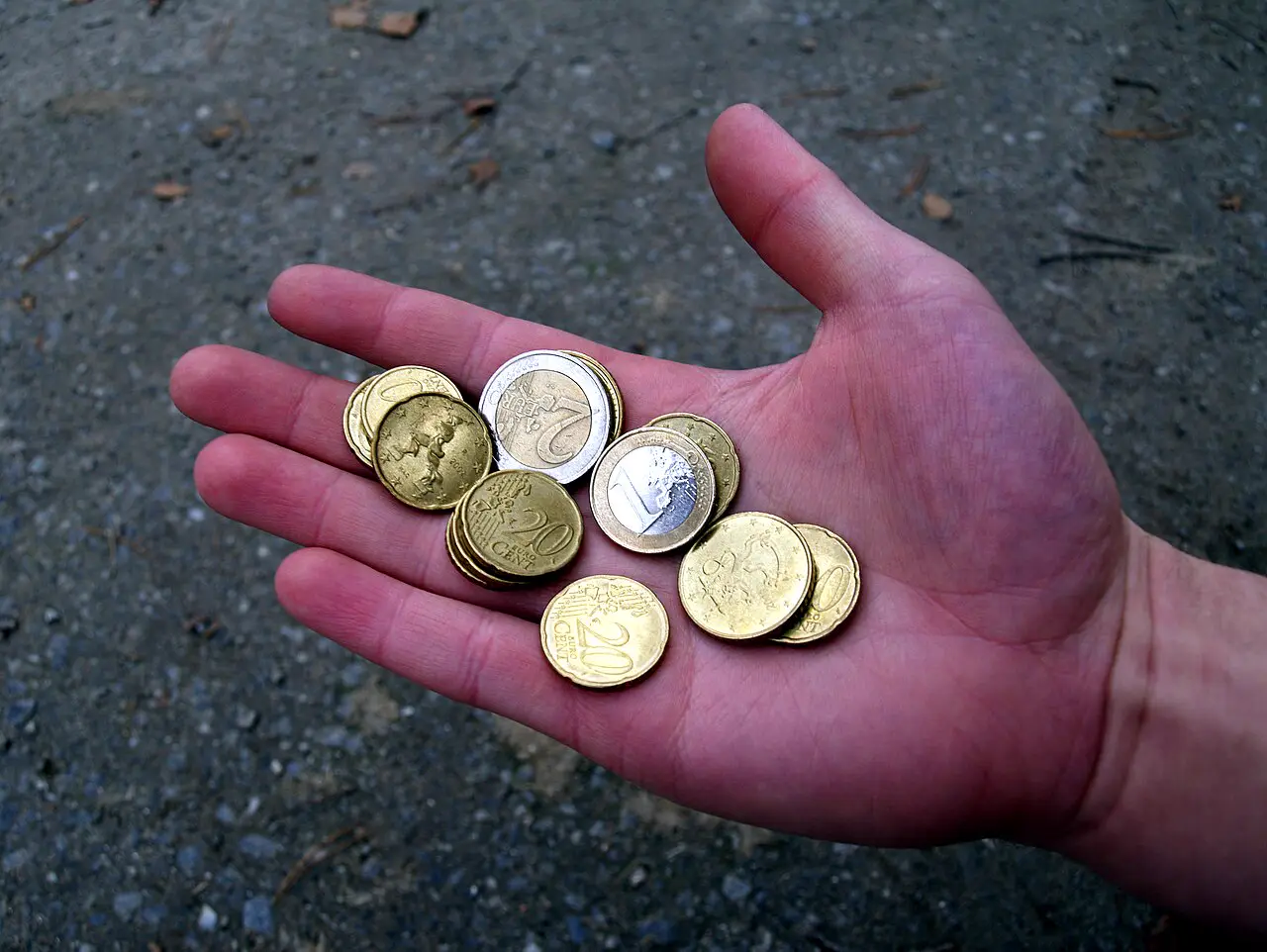
Shopping. Paid in cash. At the till: "Do you have a loyalty card?" No.
Loyalty programmes like Payback — Germany's largest with 31 million active users — store what you buy, when, where, and how often. Combined with app data, partner portals and online purchases, this creates a consumption profile capable of inferring health status, household size and lifestyle habits. The discount in return is roughly one per cent.
Where possible, I pay cash. For larger purchases I use my debit card — but with clear eyes about what that involves.
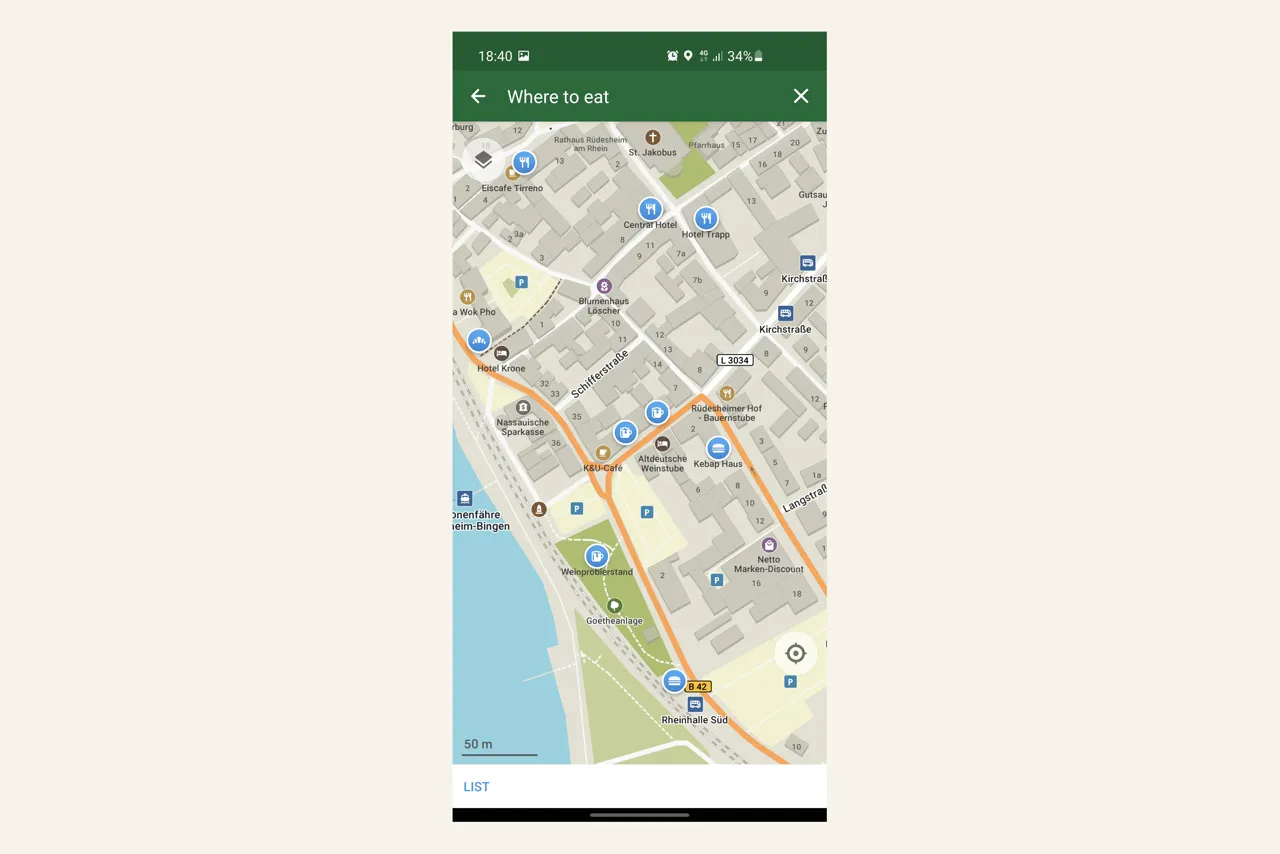
An address I don't know. Before: open Google Maps. Google then knows: where I'm heading, when I set off, how long it takes. Every day. For years.
Today: Organic Maps. Open source, based on OpenStreetMap, runs fully offline, collects no data whatsoever. The map for my region downloaded in two minutes.
| App | Open Source | Privacy |
|---|---|---|
| Organic Maps / CoMaps | Fully | No data collection |
| OsmAnd~ | Mostly | Good (UUID can be disabled) |
| Magic Earth | Proprietary | Unverifiable (closed source) |
| Google Maps | Proprietary | Extensive tracking |
I need a cable. Amazon would be faster. But Amazon would then know: my device, my address, my purchase history, my rhythm — and link it all to everything that came before.
I order from an alternative retailer. Guest checkout available, payment by bank transfer. For the email address I use an alias via my Proton Mail account — a randomly generated address that forwards to my real inbox. If the shop ever sends spam: delete the alias, done.
Delivery goes to the nearest parcel locker — no app, no account. These days, 7 out of 10 online purchases I make are not from Amazon. It takes some getting used to. But it works.
Pizza. Tuesdays, that tends to happen.
Food delivery platforms know after just a few orders: your address, favourite restaurant, ordering times, frequency, payment method and — with the app — your location. From this they build a profile: when you're too tired to cook.
I call the restaurant directly. Number from Organic Maps. Cash on delivery. No account, no tracking, no profile.
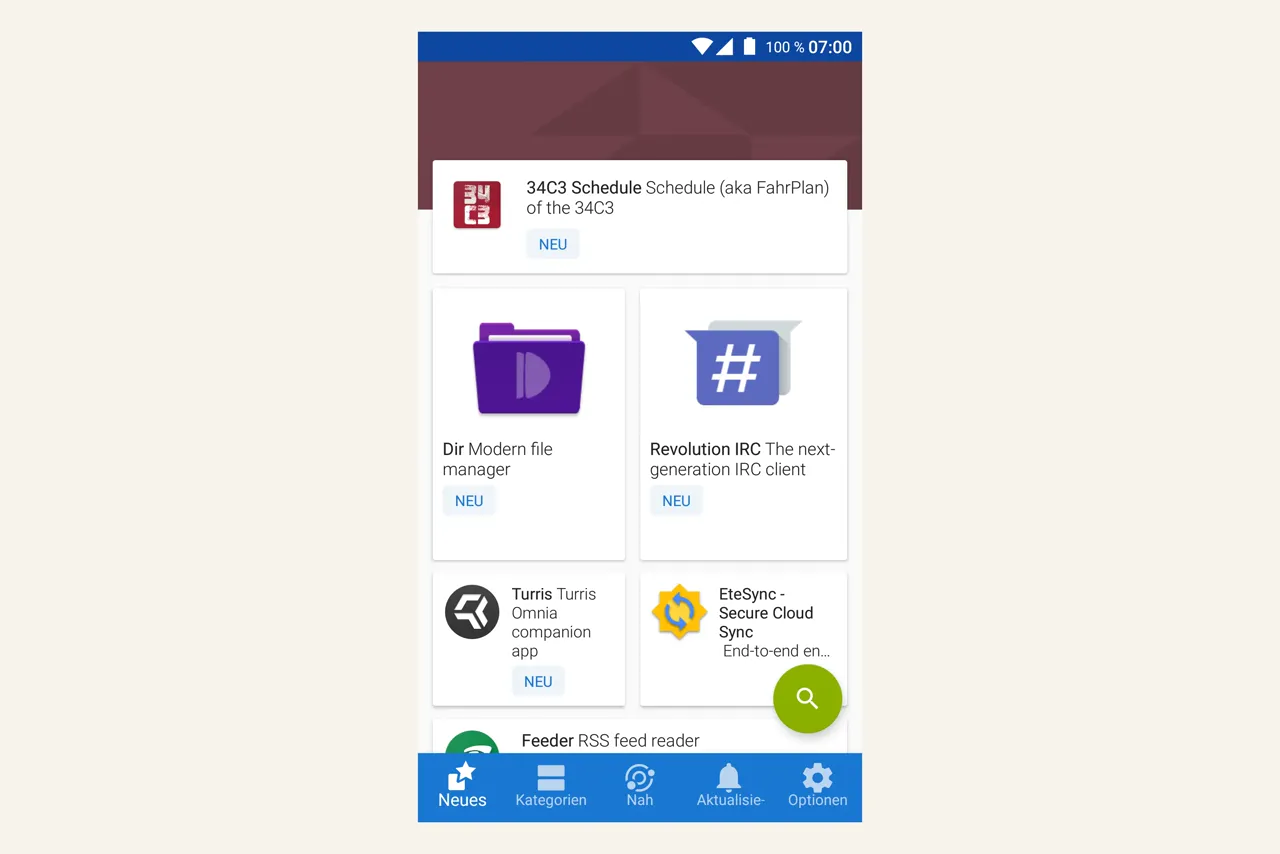
GrapheneOS has no Play Store pre-installed. At first that's the biggest culture shock. By now I find it more practical than expected.
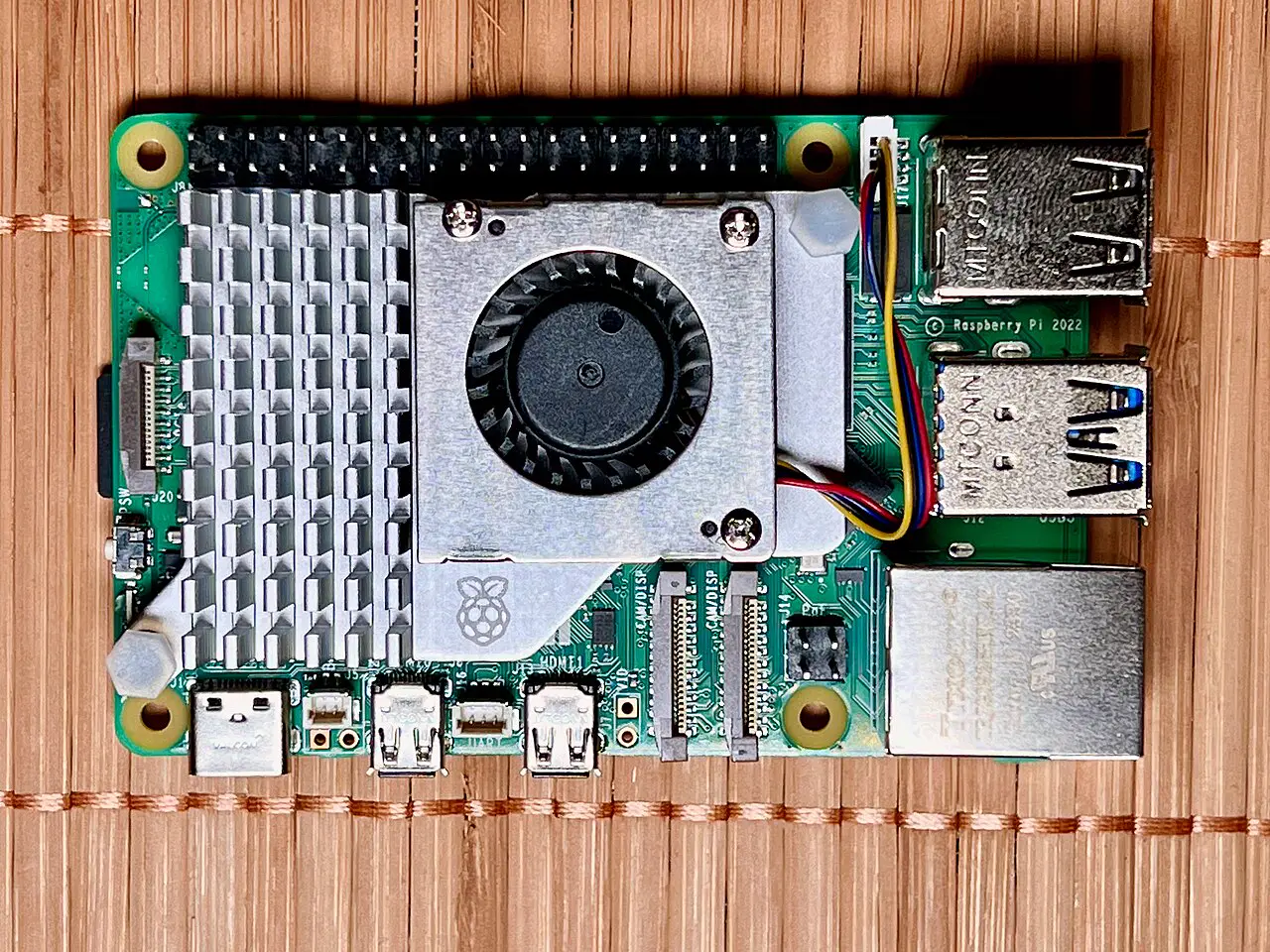
In the evening I message my brother. Not via WhatsApp, not via some company's server somewhere. Via Element — and the message server runs at my home. On a Raspberry Pi 5.
Element is based on the open Matrix protocol. It works like email: anyone can run their own server. And if you don't have one, you can still message someone who does — just as GMX and Gmail can communicate with each other without being the same company.
No server kept a record today. Nobody knows where I went, what I bought, who I talked to, when I fell asleep.
It was a perfectly normal Tuesday.
A Tuesday with GrapheneOS
- No location history. Nobody knows where I went today.
- No consumption profile. Loyalty programmes, Amazon and food delivery platforms got nothing today.
- No payment tracking. Paid in cash — no data point for Google, PayPal or Klarna.
- No third-party messenger server. The messages to my brother are stored in my home.
- No Google account needed. F-Droid, Obtainium and Aurora Store cover almost everything.
You just need to start.