
An Email as a Blueprint
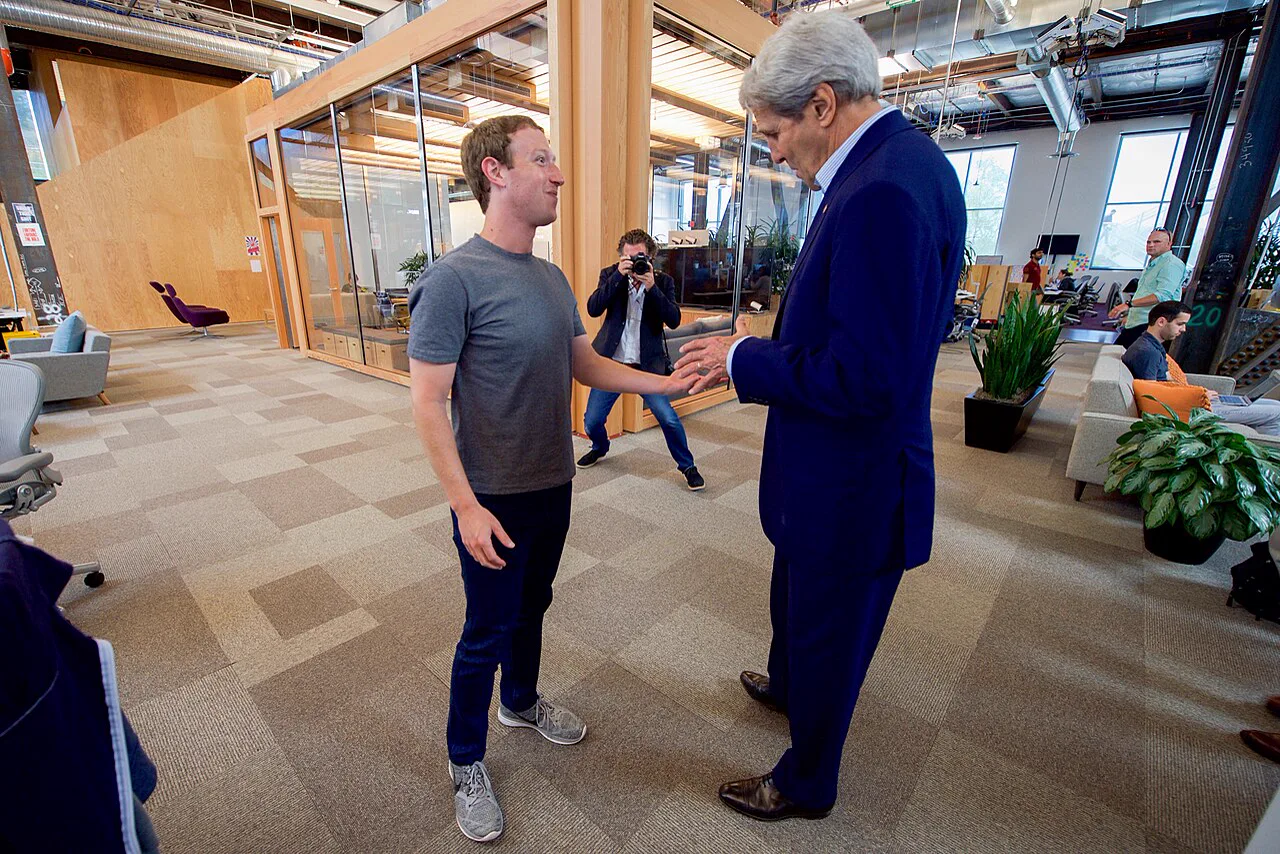
In June 2008, Mark Zuckerberg wrote in an internal email that later became public as part of the FTC lawsuit:
"It is better to buy than compete."
Mark Zuckerberg, internal email, June 2008 — published as part of the FTC lawsuit, December 2020 [1]This sentence became the guiding principle. What followed was not normal corporate growth, but a system: identify competitors early, acquire them — or, after a failed acquisition, copy and weaken them. And where that was not sufficient: deliberately withdraw platform access.
Two further Zuckerberg quotes from the FTC complaint show how openly this strategy was communicated internally. On the day of the Instagram acquisition, 9 April 2012, he wrote to a colleague: "Instagram was our threat. With start-ups, you can often just acquire them." And shortly before the acquisition, internally: if Instagram were acquired by Google or Apple, that would "really scare" Facebook.[1]
19 Billion — and What Lay Behind It

The Covert Spyware Operation Against Snapchat
In June 2016, Zuckerberg wrote internally that he was concerned about Snapchat's rapid growth. The problem: Snapchat's traffic was encrypted. "It seems important to figure out a new way to get reliable analytics about them."
What followed was called internally "Project Ghostbusters" — a reference to Snapchat's ghost logo. The programme used Onavo to decrypt Snapchat's encrypted SSL traffic via a man-in-the-middle attackMan-in-the-Middle (MITM)An attack method in which a third party secretly intercepts communication between two parties. In Project Ghostbusters: Onavo inserted itself between the user and Snapchat's servers in order to decrypt and analyse encrypted SSL traffic..
What Project Ghostbusters achieved: the usage data derived from it directly informed Facebook's product decisions. In August 2016, Facebook launched Instagram Stories — a near-identical copy of Snapchat's core feature. The pattern has a name: "Embrace, Extend, Extinguish"Embrace, Extend, ExtinguishA strategic pattern: first imitate a competitor's product (Embrace), then expand it with platform advantages (Extend), then displace the original competitor (Extinguish). Originally attributed to Microsoft — applied by Meta with Snapchat Stories, TikTok Reels and others.. Snapchat's growth subsequently collapsed.
In March 2024, court documents from a class action lawsuit became public, revealing the internal details for the first time. Plaintiffs accused Meta of violating the US Wiretap ActWiretap Act (18 U.S.C. § 2511)US federal law prohibiting the intentional interception of electronic communications. Applies also to third parties who read communications without the knowledge of those involved. Violations can be prosecuted under both criminal and civil law. — the law prohibiting the intentional interception of electronic communications. Meta denied wrongdoing.[12]
What Could Not Be Bought Was Copied

Meta's strategy with failed acquisitions was consistent: what could not be bought was replicated.
- Snapchat rejected $3 billion (2013) → Instagram Stories, Facebook Stories, WhatsApp Status
- Twitter rejected approximately $500 million (2008) → No direct copy, but threading features in Facebook
- TikTok was not acquirable due to regulatory constraints → Instagram Reels
Circle: Zero Users Overnight

Alongside acquisitions and copying, Meta employed a third method: withdrawal of platform access.
The app Circle was gaining 600,000 new users per day in December 2013 — enough to be registered internally as a threat. Facebook then withdrew the app's access to the Facebook platform. Circle grew thereafter with zero new users per day. The company did not survive.[9]
The FTC complaint documented this case as evidence of a strategy that went beyond buying and copying: deliberate platform sabotage.
Apps You May Know — That Meta Shut Down
94 acquisitions also means: many discontinued products. Behind several well-known app shutdowns stood Meta.
Moves was one of the most popular fitness apps: it ran quietly in the background and automatically logged steps, journeys and running routes. Facebook acquired it in 2014. Shut down in 2018. The collected health and movement data were transferred to Facebook — anyone who did not consent lost access to their data.
tbh was a survey app for teenagers with a positive feedback design: "Who among your friends would make the best astronaut?" — 5 million pupils within a few weeks. Acquired October 2017, shut down February 2018. Five months.
The Biggest Antitrust Case — and Why Meta Won
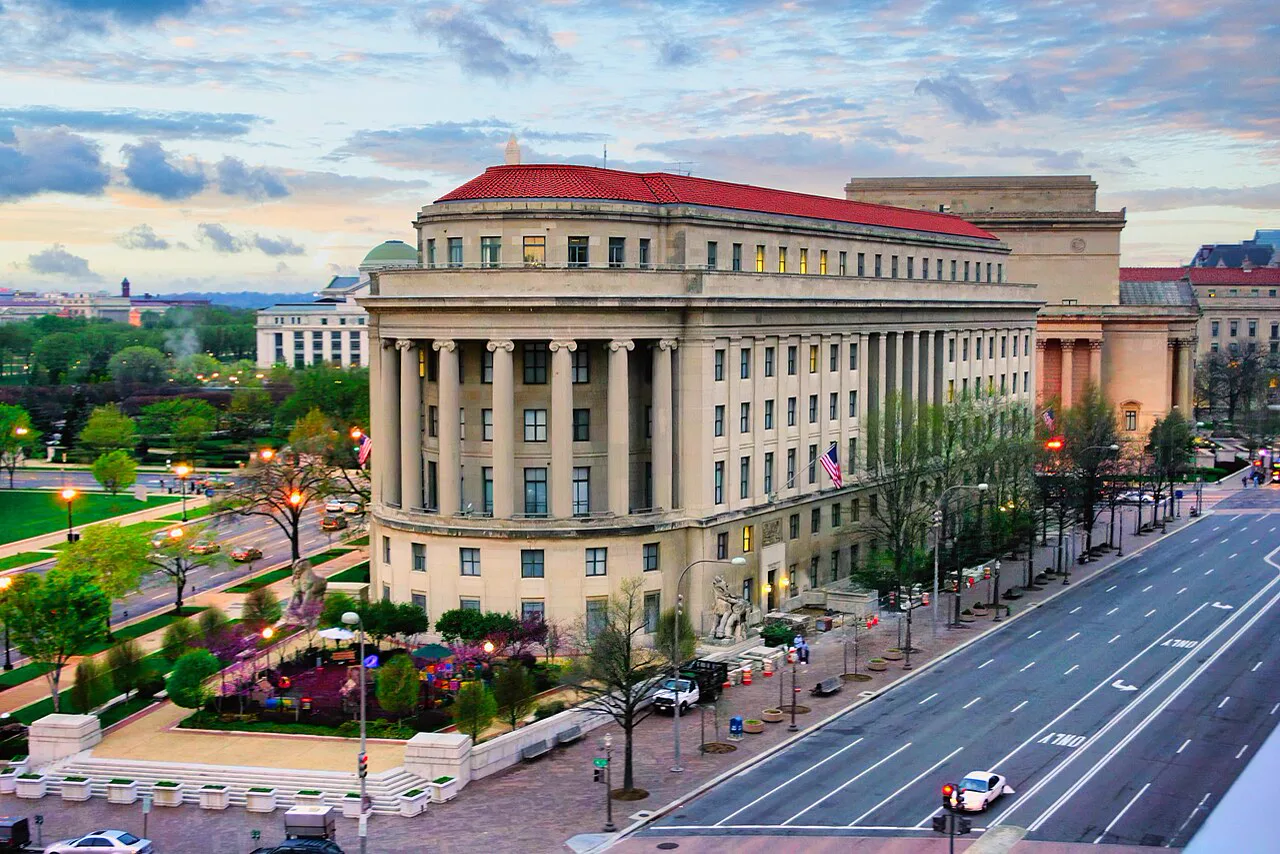
In December 2020, the FTCFTC (Federal Trade Commission)US federal authority for competition and consumer protection. Can file antitrust suits and block mergers. In the Meta case: lawsuit seeking forced divestiture of Instagram and WhatsApp — lost in November 2025, appeal filed. sued Meta jointly with 46 US states. The objective: the forced divestiture of Instagram and WhatsApp. The core argument: Meta had built an illegal monopolyMonopoly (competition law)A market position in which a company is so dominant that it can control prices, terms and competition. Prohibited under US antitrust law (Sherman Act Section 2) if the position was obtained or maintained through anti-competitive practices. in the market for "personal social networking services" through its "buy or bury" strategy"Buy or Bury"Term coined by the FTC for Meta's acquisition strategy: potential competitors are either acquired (buy) or, after a failed acquisition, weakened into irrelevance through copying and platform blockades (bury)..
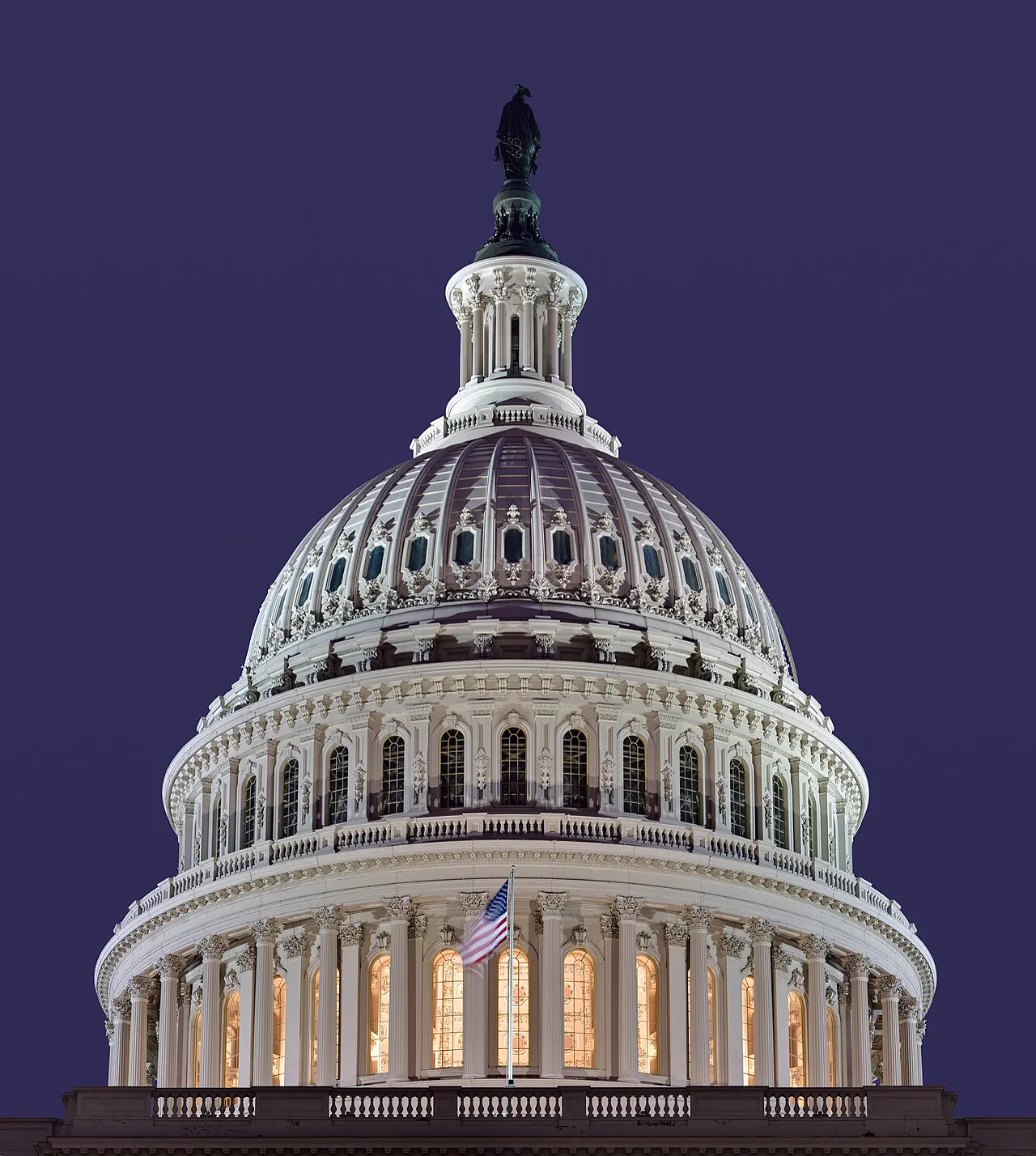
At the heart of the lawsuit: Zuckerberg's own emails — his 2008 credo, his assessment of Instagram as "really scary", his statement after the acquisition: "Instagram was our threat."
| Date | Event |
|---|---|
| Dec. 2020 | FTC + 46 states sue Meta |
| Jun. 2021 | Judge Boasberg dismisses case — insufficient evidence |
| Jan. 2022 | FTC files revised complaint; Boasberg admits it |
| Apr.–May 2025 | Historic trial (6 weeks) — Zuckerberg testifies in person |
| Nov. 2025 | Judge Boasberg: Meta wins — FTC failed to prove monopoly |
| Jan. 2026 | FTC files appeal at the DC Circuit Court |
Why Meta Won
Judge Boasberg found: the market had changed fundamentally since the complaint was filed in 2020. TikTok had not even been mentioned in the original filings — today it is "Meta's fiercest rival". YouTube, TikTok and Apple Messaging were relevant competitors. The court cited the Greek philosopher Heraclitus: "No man ever steps in the same river twice" — the same applies to the social media market.[15]
Crucially: the FTC could not demonstrate that Meta was currently exercising monopolistic power. Meta's past conduct was documented — but that was insufficient grounds for a divestiture today.
The FTC Appeal
FTC Director Daniel Guarnera stated after the defeat: Meta had "maintained its dominant position and record profits for over a decade not through legitimate competition, but by buying its most significant rivals." The proceedings continue — and could reach the Supreme CourtSupreme Court (USA)The highest court in the United States. The final instance for federal and constitutional law questions. Decides at its own discretion which cases to accept. A Supreme Court ruling in the FTC-Meta case would fundamentally shape US antitrust law for tech companies..[16]
Digital Markets Act: The First Fines in History
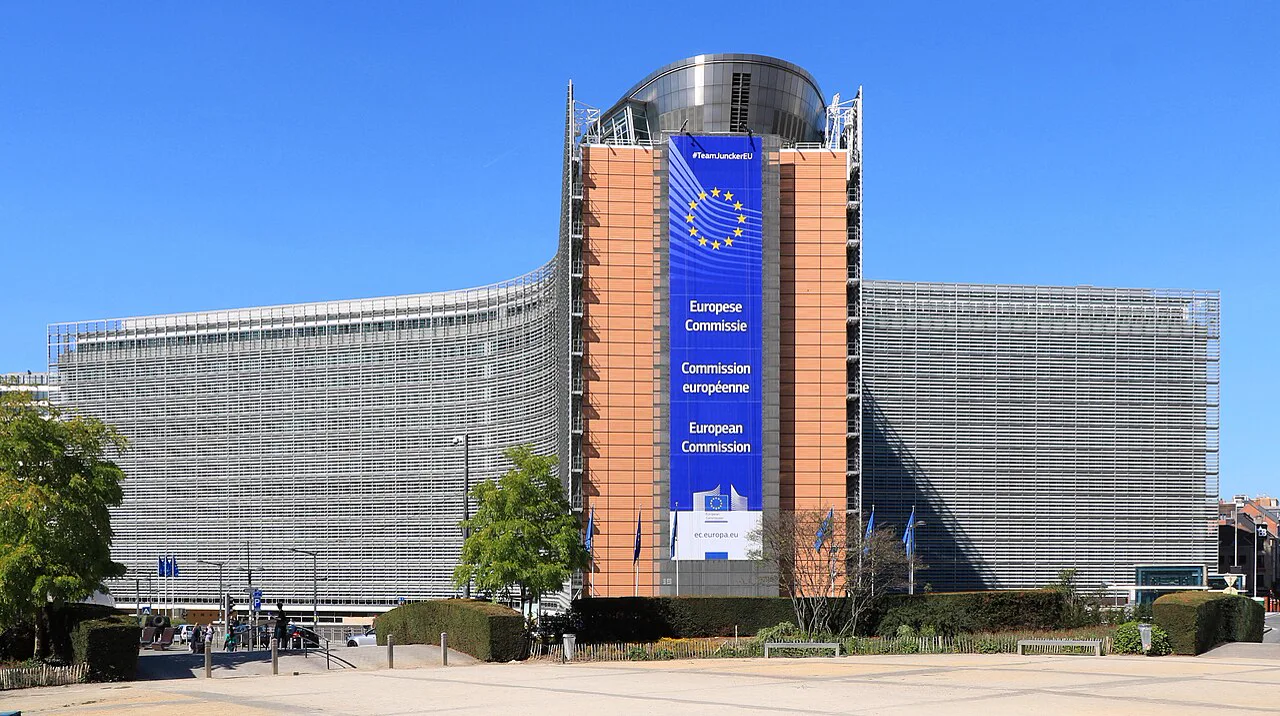
While the US lawsuit failed, Europe is taking a different approach. The Digital Markets Act (DMA)Digital Markets Act (DMA)EU law, fully in force since May 2023. Obliges "gatekeepers" — platforms with systemic market power — to provide interoperability, fair platform access and genuine user choice. Fines of up to 10% of annual worldwide turnover. came fully into force in May 2023. It obliges "gatekeepers"Gatekeeper (DMA)Companies that have systemic market power as defined by the DMA: over 45 million EU end users, over 10,000 business users, over €7.5bn in EU revenue. Currently designated: Alphabet, Apple, Meta, Amazon, Microsoft, ByteDance. — platforms with systemic market power — to make concrete behavioural changes. Among these: users must be offered an equivalent free alternative if they do not wish to consent to data combination.
Meta responded by introducing a "Consent or Pay" modelConsent or PayBusiness model: users can either consent to personalised advertising (free) or pay for an ad-free version. The EU Commission regarded this as a DMA violation: the free alternative must not compel consent to data combination.: either pay a monthly fee — or consent to personalised advertising. The EU Commission considered this a violation: those who decline must receive a genuine free alternative, not a payment demand.
→ Apple: €500 million (App Store steering rules)
→ Meta: €200 million (absence of a genuine opt-out for data combination)
These were the first-ever fines under the DMA — a historic precedent.[4]
The maximum DMA fines: up to 10% of worldwide annual turnover for first-time violations, up to 20% for repeat infringements. At Meta's turnover, that would amount to up to €16 billion or €32 billion.
Previous EU Proceedings
This was not the first time: back in 2017, the EU Commission imposed €110 million on Facebook because the company had made "misleading statements" when the WhatsApp acquisition was reviewed in 2014 — specifically: it had claimed that automatic linking of the two platforms was technically impossible. Two years later, exactly that was introduced.[5]
The German Federal Cartel Office (Bundeskartellamt) issued a landmark decision in 2019: the linking of Facebook data with WhatsApp, Instagram and third-party websites violated German competition law. The Court of Justice of the EU confirmed in July 2023 that competition authorities may treat data protection violations as an abuse of market dominance — an important ruling of principle. The proceedings concluded in October 2024: Meta and the Bundeskartellamt agreed on a package of measures giving users greater control over cross-platform data linking.[7]
Why the Cycle Appears Unstoppable
Meta's market power is based on a self-reinforcing cycle, described in 2024 by the Indian Competition Commission (CCI) as follows: "Messaging services exhibit positive direct network effects — each additional user makes the service more valuable for existing users. This creates a tendency towards concentration."
- Network effectsNetwork effectsA phenomenon whereby a product becomes more valuable to each individual user the more people use it. With messaging apps: WhatsApp is attractive because everyone else has WhatsApp — not due to technical superiority. Creates natural monopoly tendencies.: WhatsApp with over 3 billion users is more attractive to every new user than a competitor with 100 million — regardless of how good the competing product is.
- Data advantage: More users = more data = better advertising profiles = higher advertising prices = more capital for further acquisitions.
- Cross-platform profilingCross-platform profilingThe aggregation of user data from various apps and websites into a unified profile. At Meta: data from Facebook, Instagram, WhatsApp and the Meta Pixel on third-party websites are combined. Classified as anti-competitive by the Bundeskartellamt in 2019.: Through Facebook, Instagram, WhatsApp and the Meta Pixel, a user profile is created that no single competitor can replicate.
- Barrier to entry: Anyone seeking to build a social media platform today is not competing against an app — but against an interconnected ecosystem of 3.58 billion daily active users.
The Strategy Worked
Zuckerberg's 2008 sentence was not idle boasting. It was a plan. Instagram for $750 million — today approximately $67 billion in annual revenue (2024). WhatsApp for $19 billion — today over 3 billion users with no alternative. Onavo for $120 million — and with it competitive intelligence that weakened Snapchat.
The FTC lost the trial. The EU has imposed the first fines — but has not yet forced any structural changes. The DMA has the potential to change that. Whether it will be enough, the coming years will show.
- FTC complaint against Meta Platforms, Inc., 9 December 2020: ftc.gov
- FTC notice of appeal, 20 January 2026: ftc.gov
- Judge Boasberg ruling, US District Court Washington D.C., 18 November 2025
- EU Commission — DMA non-compliance decision against Meta, 23 April 2025: ec.europa.eu
- EU Commission — fine against Facebook/WhatsApp (misleading statements), May 2017: ec.europa.eu
- Bundeskartellamt — decision against Facebook, February 2019: bundeskartellamt.de
- Court of Justice of the EU — judgment C-252/21 (Bundeskartellamt vs. Meta), July 2023: curia.europa.eu
- Competition Commission of India — decision against Meta/WhatsApp, November 2024
- NPR — "The Wrath of Mark: 4 Takeaways From the Government's Case Against Facebook" (December 2020): npr.org
- The Conversation — "Why Facebook Antitrust Case Relies So Heavily on Mark Zuckerberg's Emails" (December 2020): theconversation.com
- Quartz — "Facebook tried to spy on Snapchat through users' devices, court documents allege" (March 2024): qz.com
- TechRadar — "Facebook's Onavo VPN used to wiretap competitor data, court filings reveal" (March 2024): techradar.com
- Cybernews — "Facebook may have exploited user devices to spy on competitors" (March 2024): cybernews.com
- The Motley Fool/Nasdaq — "Facebook's Onavo Spying App Shaped Monumental Decisions" (December 2018): nasdaq.com
- CNBC — "Meta wins FTC antitrust trial that focused on WhatsApp, Instagram" (18 November 2025): cnbc.com
- Euronews — "FTC presses on with appeal after Meta's monopoly battle win" (21 January 2026): euronews.com
- Carbon Law Group — "FTC v. Meta: When Antitrust Law Collides with Time, Technology, and Reality" (February 2026): carbonlg.com
- Sullivan & Cromwell — "Meta Prevails in FTC's Antitrust Case" (December 2025): sullcrom.com
- TechPolicy.Press — "Understanding the Apple and Meta Non-Compliance Decisions Under the DMA" (May 2025): techpolicy.press
- Taylor Wessing — "Meta fined 200 million euro by EU under Digital Markets Act" (April 2025): taylorwessing.com
- Bird & Bird — "First-ever DMA Non-Compliance Fines" (April 2025): twobirds.com
- Wikipedia — Onavo (with primary sources): en.wikipedia.org/wiki/Onavo
- Inspirationfeed — "Complete List of Companies Owned By Meta" (August 2024): inspirationfeed.com
- TechCrunch — "Facebook acquires tbh" (October 2017): techcrunch.com
- TechCrunch — "Mapillary acquired by Facebook" (June 2020): techcrunch.com
- Wikipedia — Atlas Solutions: en.wikipedia.org/wiki/Atlas_Solutions