article
Image: LPS.1 / Wikimedia Commons, CC0.
Meta Files: Political Power and Global Influence
In Myanmar, the Philippines and Brazil, Facebook was the internet — and a tool of political power. Zuckerberg's alignment with Trump, GDPR fines, PRISM and lobbying. 62 sources.
80 sources
read article →
article
March 2026
Image: Getty Images.
Algorithms & Manipulation
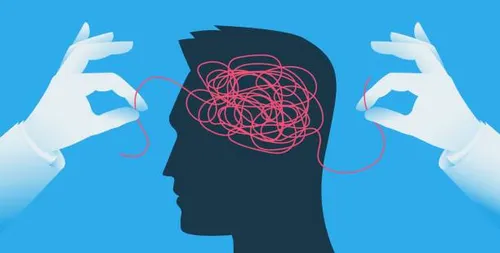
Facebook connects people. That is the promise. The reality, documented by Meta's own internal documents: the algorithm was built to amplify anger, outrage and division — because that increases dwell time. And dwell time means more advertising revenue. This is not an accusation from outside. It is written in Meta's own internal records.
38 sources read article →
article
March 2026
Image: Santeri Viinamäki / Wikimedia Commons, CC BY-SA 4.0.
The Pixel
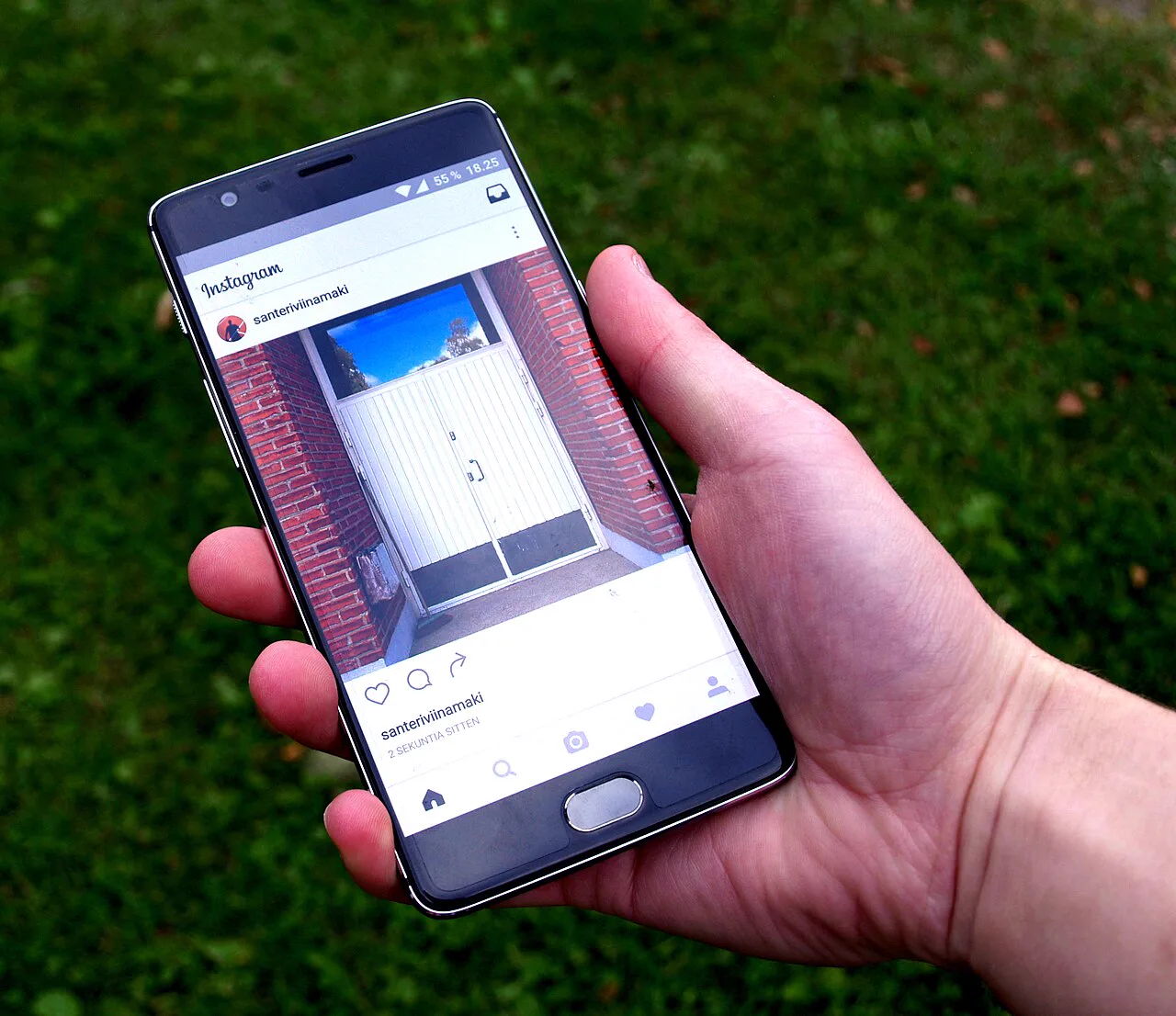
You don't have Facebook. You don't have Instagram. You're not signed up to any Meta platform. Yet Meta knows which news articles you've read, which medications you've searched for, when you booked a doctor's appointment — and perhaps even what illness you have. This is made possible by the Meta Pixel: an invisible piece of code embedded in millions of websites. The visitor notices nothing.
25 sources read article →
article
March 2026
Image: provided by the site owner.
Meta AI — The Trojan Chatbot
Meta AI is not just a chatbot. It is a strategy. The AI assistant is embedded in WhatsApp, Instagram, Facebook and Messenger — built in, not optional, and impossible to switch off. Anyone who uses it trains Meta's AI and supplies data for advertising. Anyone wearing Ray-Ban glasses and saying "Hey Meta" sends recordings of their daily life to servers on three continents — sometimes very private recordings.
37 sources read article →
article
March 2026
Image: Coleman Donaldson / Wikimedia Commons, CC BY-SA 4.0.
WhatsApp — The Illusion of Privacy
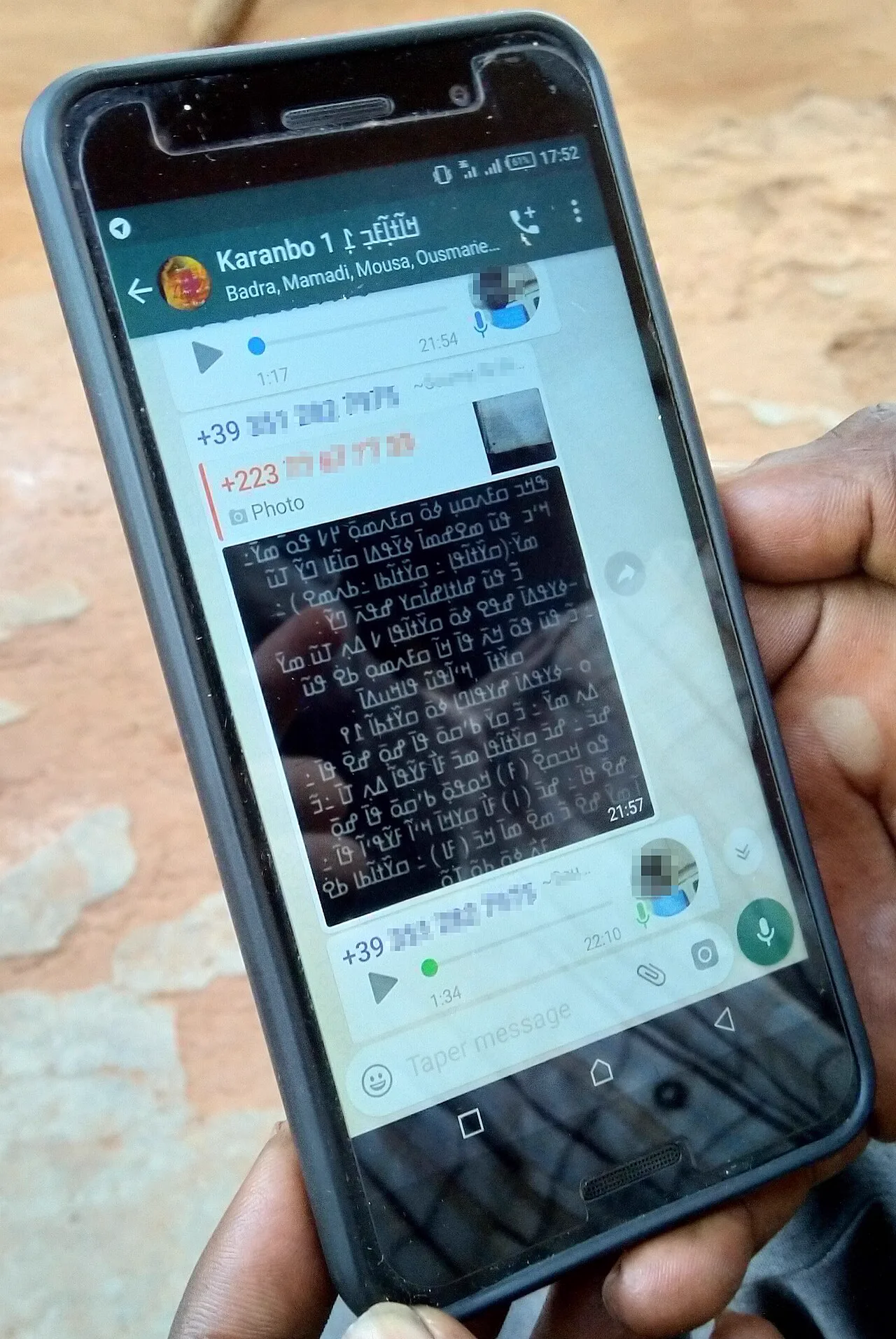
WhatsApp protects the content of your messages — that much is true. What it does not protect: who you are, who your contacts are, when you write, where you are, what your communication patterns look like. This metadata flows to Meta, to authorities worldwide and into advertising profiles — without you noticing. And this despite all the promises made at the time of the 2014 acquisition.
22 sources read article →
article
March 2026
Image: Anthony Quintano / Wikimedia Commons, CC BY 2.0.
Buy Instead of Compete
"It is better to buy than to compete." — Mark Zuckerberg, 2008. What sounds like a mundane business maxim became the blueprint for one of the greatest monopolies in the history of technology: 94 acquisitions, a covert spyware operation, the deliberate shutdown of purchased apps — and a regulatory battle that is only just beginning.
26 sources read article →